
My Funds Were Blocked Because of OFAC Sanctions – What Do I Need to Know to Get My Money Back?
Free Case EvaluationOn This Page
Discovering that you have suddenly lost access to large sums of money is shocking to most people. It becomes all the more daunting to then find out your access to those funds has been revoked by order of the United States Government. If you believe you may have lost access to your funds due to U.S. sanctions, this FAQ can help you to better understand your situation.
What is OFAC?
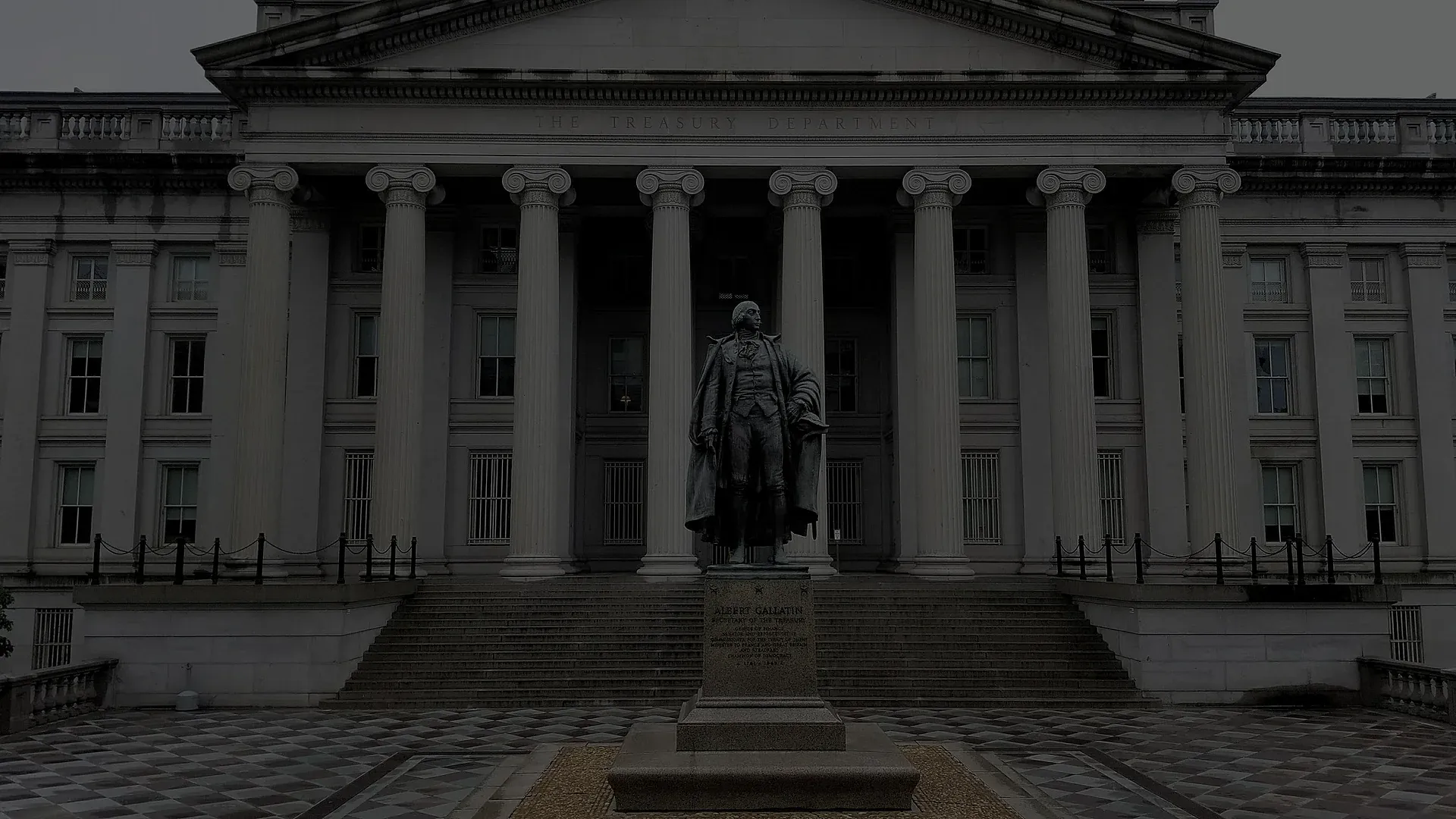
The Office of Foreign Assets Control (OFAC) is a government agency housed within the Department of the Treasury responsible for the administration and enforcement of U.S. sanctions programs. While sanctions programs are created by the President through Executive Orders, or by Congress through legislation, OFAC is responsible for designating the targets of those sanctions programs. It does so by adding designated individuals and entities to the Specially Designated Nationals (SDN) List, a live registry of U.S. sanctions targets.
OFAC is also responsible for issuing licenses permitting otherwise prohibited transactions with sanctioned parties. Most importantly for this FAQ, OFAC also issues licenses authorizing the release of blocked funds.
What is an OFAC Blocking? Why Did OFAC Block My Funds?
“Blocking” the property of a sanctioned party means freezing their assets. While the sanctioned party, or “blocked person,” retains title to their property, they lose their access to and control over it. Once the property of a sanctioned person has been blocked, it can not be moved without authorization by OFAC.
OFAC requires U.S. persons (including any U.S.-based companies, U.S. citizens, and anybody in the U.S.) to block “any property and interests in property” belonging to persons under U.S. sanctions, if that property is within the jurisdiction of the United States or controlled by a U.S. person. This essentially means that they are required to block any property (funds, real estate, stocks, etc.) within their control that a sanctioned party has any direct or indirect rights to, control over, or benefit from. Most often, a U.S. bank blocks funds involved in cross-border transactions in which they were serving as an intermediary bank, but there are many other possible scenarios of how your property can get blocked.
Who Has to Follow OFAC’s Rules and Regulations?
All U.S. persons must comply with American sanctions programs and OFAC regulations. This means all individuals and entities within the United States, all U.S. citizens and permanent residents, wherever situated, and any U.S.-registered companies or foreign branches of such a company.
Only U.S. persons are required by law to comply with American sanctions. In practice, however, OFAC regulations are very often followed by those outside of their immediate jurisdiction. Non-U.S. persons can be punished with “secondary sanctions” by OFAC for dealing with those already under U.S. sanctions, which creates a strong incentive for compliance among those attached to the international financial system, including European, Canadian, and Asian financial institutions. America’s leadership role in the global financial system provides it with strong leverage when exercising its will through sanctions programs.
Who Can Unblock My Money?
Only OFAC can unblock funds once they have been blocked (or frozen). Blocked funds can only be released through an unblocking license, which the OFAC Lawyers at Sanctions Law Center can help you prepare. While the responsibility for originally imposing the blocking falls on U.S. persons, they no longer have any power to transfer or deal with the blocked property after doing so, unless OFAC permits otherwise.
How Do I Get an OFAC Unblocking License?
OFAC’s website allows for people subject to blockings to file an electronic application through the OFAC Licensing Portal, or to instead submit an application by mail using a pre-made form. You are not required to use either of these, however, and it may increase your chances of a successful outcome if you prepare a tailor-made application with the help of an OFAC sanctions lawyer. But OFAC always requires you to “provide a detailed description of the proposed transaction, including the names and addresses of any individuals/companies involved,” as well as any available supporting documentation.
It is usually best to get the help of an expert sanctions lawyer when preparing your application for an unblocking license, due to the complexity of U.S. sanctions regulations and administrative appeals to U.S. government agencies. At Sanctions Law Center, our OFAC lawyers will prepare an Unblocking Application which outlines a detailed factual background, explains the purpose of the unblocking request, and presents compelling arguments appropriate to the circumstances at hand.
When Does OFAC Unblock Funds?
OFAC unblocks funds in cases of mistaken identity, other kinds of erroneous blocks, or where there are compelling circumstances in favor of unblocking, such as humanitarian benefits. Getting blocked funds released is much more straightforward in the case of a mistaken identity or another kind of error made by OFAC than in a case where it is necessary to argue for compelling circumstances to justify the unblocking.
It is generally more difficult to convince OFAC to release funds that were not erroneously blocked — they will unblock funds “only in limited circumstances, most of which do not involve commercial activity.” OKKO Business PE v. Law, 133 F.Supp.3d 17, 22. This means that issues like personal or business-related harms due to the blocking of funds are not enough to secure their release.
However, this should not dissuade you from pursuing the unblocking of your funds. Very often there are material issues that may compel a favorable decision on a blocking. It’s also valuable to assert your side of the facts, as the blocking institution and OFAC may have little to no context on the facts of the transaction(s) or activities at issue. For instance, OFAC may be more likely to release blocked funds if there is a humanitarian motive to the underlying transaction, or a U.S. domestic or foreign policy interest at play. Consulting with an OFAC Sanctions Lawyer can help you determine if compelling circumstances to justify an unblocking may exist in your case.
Do I Need an OFAC Sanctions Lawyer for This?
Yes. You could technically go pro se, but you’d be sinking your chances of a successful appeal, just as you would if you tried to represent yourself in criminal court. It would be imprudent to go up against an inquisitorial U.S. government agency, with no shortage of expert lawyers, without the help of your own experienced attorney. Working with an OFAC sanctions attorney can only help increase your chances of retrieving blocked funds.
At Sanctions Law Center, our attorneys can help you prepare an unblocking application to get your money back. Our team will work alongside you and your colleagues to learn the history of your case, develop an understanding of your business. We will help you figure out why your funds were blocked, if necessary by requesting information from OFAC and the institutions involved in the underlying transaction. After determining a strategy, our team will prepare a thorough, personalized Unblocking Application that presents the strongest possible factual and legal case for the release of your funds.
On This Page
Recent Blog Posts
Exodus Movement Settles with OFAC for $3.1 Million Over Iran Sanctions Violations
Exodus Movement agreed to pay $3.1M to settle 254 apparent Iran sanctions violations. Learn what crypto and fintech companies need to know about OFAC compliance from this enforcement action.
My Funds Were Blocked Because of OFAC Sanctions – What Do I Need to Know to Get My Money Back?
Discover what it means when OFAC blocks your funds, who can unblock them, how to apply for an unblocking license, and why working with an OFAC sanctions lawyer is essential to recovering your money.
OFAC Issues Potash Exception to Belarus Sanctions
OFAC issued Belarus General License No. 13 on December 15, 2025, authorizing transactions with major Belarusian potash producers as part of a prisoner release agreement. Learn about the implications for U.S. businesses.