

OFAC Imposes $4.6M Penalty for Blocked Atlanta Property Deal
Free Case EvaluationOn This Page
In November 2025, the Department of the Treasury’s Office of Foreign Assets Control (OFAC) levied a civil monetary penalty in the amount of $4,677,552 on a U.S. citizen for willfully engaging in transactions involving blocked real estate owned by an individual who had been designated under the U.S. Ukraine-Russia-related sanctions program. The enforcement action is also based on incomplete response to an OFAC subpoena per § 501.602.
This case is a striking enforcement action that provides valuable compliance lessons for real estate investors and lenders, as well as brokers, law firms, registrars, title companies, and even public authorities. The enforcement release for this specific case is linked here.
The OFAC Lawyers at Sanctions Law Center assist clients in understanding and complying with the ever-changing and complex nature of sanctions regulations. Below, we will explain what occurred in this case, why it is important, and what compliance lessons can be drawn from this enforcement action.
Background: Description of Violations
President Joe Biden issued Executive Order 14024 following Russia’s invasion of Ukraine, designating Russian officials to the OFAC SDN List (Specially Designated National List). This case arose in relation to a home in Atlanta owned by U.S. citizen Karina Rotenberg, a Russian-born U.S. citizen sanctioned under E.O. 14024 that has since been removed from the SDN List. (Important to note that U.S. SDN designations are designed for foreign individuals and entities, not U.S. citizens.)
Since the home was owned by Karina Rotenberg at the time of the SDN designation, the property was blocked and any dealing on the property without an OFAC license became illegal, including any sales or foreclosures. OFAC notified Fulton County, where Atlanta is located, that the property had been blocked, but the house was still sold at a public auction after being foreclosed in January 2023. A U.S. real estate investor bought the property at an auction, acting through a real estate investment company, King Holdings LLC.
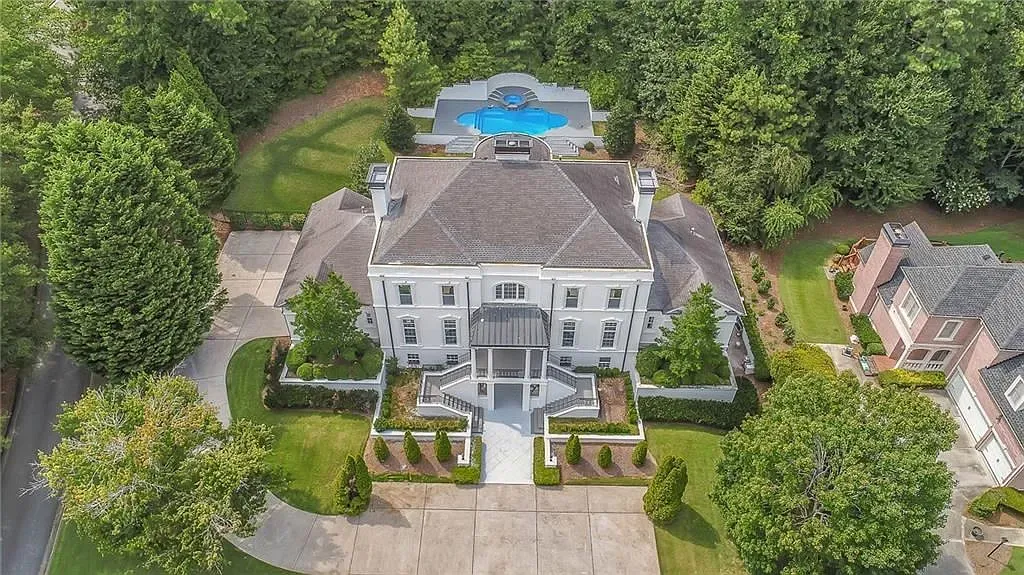
Pictured: The Atlanta home that was subject to blocking (Photo source: Zillow)
OFAC first became aware of the foreclosure in April 2023 and contacted the new owner, explaining that the property remained blocked, and that any dealings with the property must have authorization from the agency. However, rather than filing a specific license request, the investor ignored OFAC’s warnings and proceeded with renovations of the property and secured a $872,338 mortgage on the blocked property. The property was eventually sold to an unwitting buyer.
All the parties to the sale to an unwitting buyer were assured that the title to the property was clear, despite the investor’s actual knowledge of the contrary. In February 2024, OFAC issued a cease-and-desist order and a subpoena compelling the investor to respond to its inquiries regarding the blocked property. However, the response submitted to OFAC misrepresented the material facts, including the pending sale.
The Maximum Penalty Imposed by OFAC
OFAC considered several aggravating factors in determining the severity of these sanctions violations. First, all the dealings were conducted willfully by parties who knew or should have known the property was blocked, having received actual notice of its status directly from OFAC. Second, the deal exposed other third parties, such as banks, contractors, and brokers, to economic harm and legal liability through the investor’s concealment of the property’s blocked status. Third, the responses provided to OFAC’s subpoena were incomplete and not provided in good faith.
Compliance Takeaways
There are several lessons that professional service organizations and real estate firms can learn from this enforcement action about compliance with OFAC sanctions regulations. An important point to consider in real estate transactions is that even though title to real property held by a sanctioned party cannot be legally terminated by foreclosure, local authorities may still mistakenly make blocked property available to the public. Title to blocked property cannot be transferred without a specific license from OFAC. This means that a title search does not eliminate the need for precise screening for sanctions. All parties to transactions involving real property, including buyers, sellers and attorneys, must therefore conduct routine screening.
Second, even a good-faith buyer can lose their title to a blocked property, and other involved third parties may become exposed to substantial liability for dealing in blocked property. Third, OFAC requires that responses to administrative subpoenas be complete and honest. Filing inaccurate or incomplete responses to an administrative subpoena can expose the filing organization to penalties as well. Most of all, this case highlights the serious consequences of willfully disregarding OFAC regulations. The substantial penalty imposed in this case is largely a result of the real estate investor’s deliberate choice to ignore OFAC’s clear and actual notice regarding the blocked status of the property, and moreover to deal in bad faith with the second purchaser through concealing their knowledge of that blocked status.
How the OFAC Sanctions Lawyers at Sanctions Law Center can help
- Compliance assessment is one of our services that the Firm offers. For real estate and investment transactions, our team can help investors, brokers, lenders and title companies by providing Know Your Customer (KYC) and Enhanced Due Diligence (EDD) services.
- Reviewing titles for sanctioned interests is essential for any real estate deal with foreign interests.
- Providing emergency consultation after receiving an OFAC administrative subpoena, and preparing accurate responses to OFAC inquiries, are among the services we provide.
- If your transaction needs a specific license from OFAC, our OFAC Sanctions Lawyers can submit the appropriate request.
On This Page
Recent Blog Posts
Exodus Movement Settles with OFAC for $3.1 Million Over Iran Sanctions Violations
Exodus Movement agreed to pay $3.1M to settle 254 apparent Iran sanctions violations. Learn what crypto and fintech companies need to know about OFAC compliance from this enforcement action.
My Funds Were Blocked Because of OFAC Sanctions – What Do I Need to Know to Get My Money Back?
Discover what it means when OFAC blocks your funds, who can unblock them, how to apply for an unblocking license, and why working with an OFAC sanctions lawyer is essential to recovering your money.
OFAC Issues Potash Exception to Belarus Sanctions
OFAC issued Belarus General License No. 13 on December 15, 2025, authorizing transactions with major Belarusian potash producers as part of a prisoner release agreement. Learn about the implications for U.S. businesses.